One of the first questions homeowners ask before starting construction is:
“How long does it take to build a house in the Philippines?”
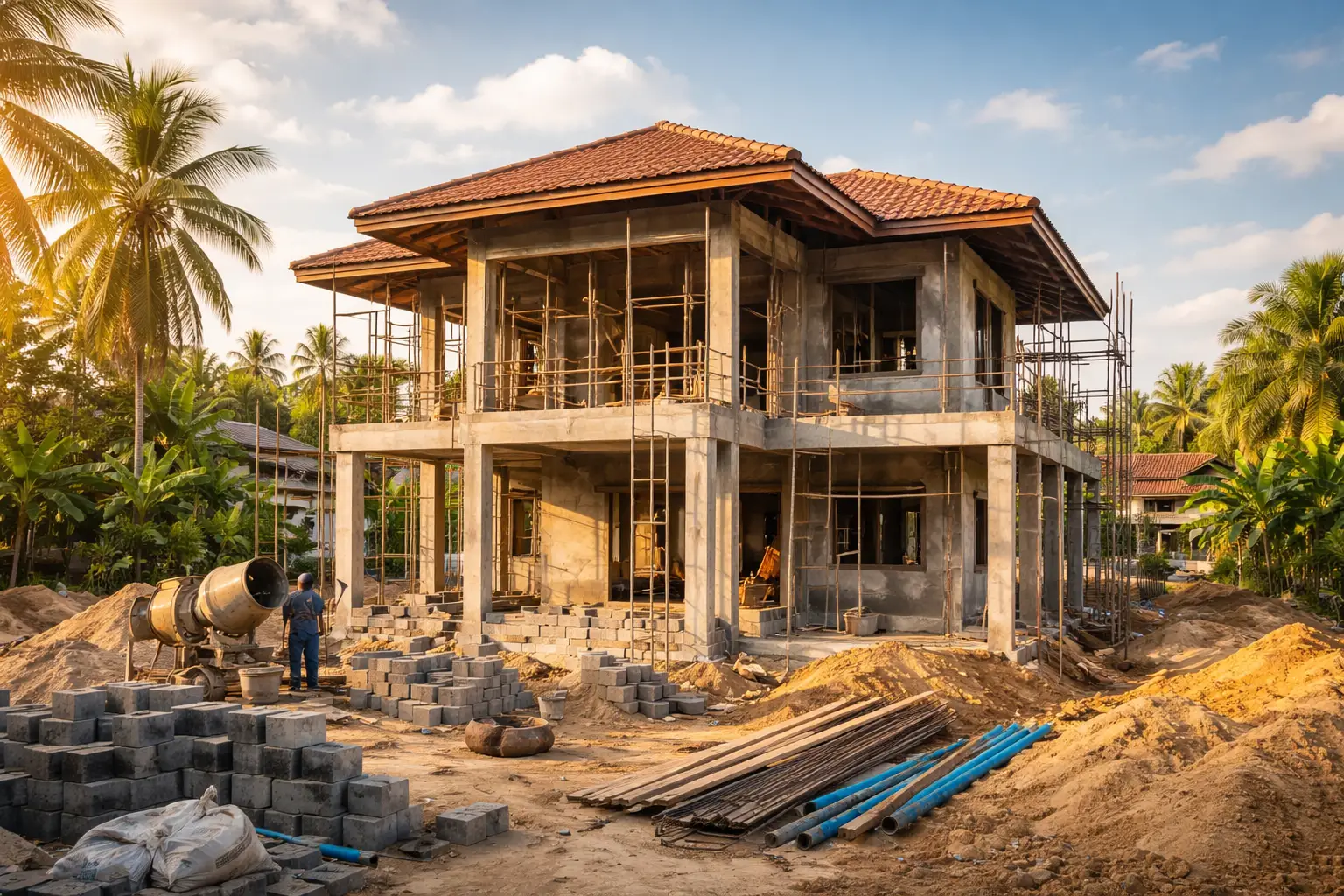
It’s a reasonable question, but the answer is often misunderstood. Many people think the timeline only refers to the months spent building on site. In reality, the house construction process involves several stages even before construction begins.
Planning, design development, permits, coordination, and final turnover are all part of the process. When these stages are considered together, the typical timeline for building a house in the Philippines usually ranges from 12 to 18 months.
Some projects move faster, while others take longer depending on factors such as the size of the house, the complexity of the design, site conditions, permit processing, weather, and how quickly decisions are made during the project.
Understanding this timeline early helps homeowners plan their projects more effectively and avoid unrealistic expectations.
Typical Timeline for Building a House in the Philippines
While every project is unique, most residential homes follow a similar sequence of stages.
A realistic house construction timeline in the Philippines often looks like this:
- Planning and project discussions – a few days to several weeks
- Design development and preparation of plans – about 2 to 3 months
- Permits and government approvals – about 1 to 2 months
- Actual house construction – about 8 to 12 months
- Final corrections and turnover – a few weeks
Altogether, the full process of building a house in the Philippines usually takes around 12 to 18 months from initial planning to completion.
Stage 1: Planning and Initial Project Discussions
Before any drawings are prepared or construction begins, the project must first be properly defined.
This stage typically involves understanding the homeowner’s needs, lifestyle, budget, preferred design style, and long-term goals for the house. An initial site visit may also be conducted to assess the property and discuss what kind of home is feasible.
Many homeowners underestimate this stage, but it plays a crucial role in the success of the entire project. Clear direction at the beginning leads to better design decisions and fewer complications later during construction.
Depending on how prepared the homeowner is and how complex the project may be, this phase can take anywhere from a few days to several weeks.
Stage 2: Design Development and Preparation of Plans
Once the project direction is established, the design phase begins.
During this stage, the architectural layout is developed and refined while the necessary engineering plans are prepared. Important decisions about space planning, structural systems, utilities, and materials also take shape.
This phase is essential because the quality and completeness of the plans directly affect how smoothly construction will proceed.
Rushed designs often lead to incomplete drawings, which can cause confusion on site, delays during construction, and unexpected costs.
For many residential projects, this stage typically takes two to three months, although larger or more complex homes may take longer.
Stage 3: Permits and Government Approvals
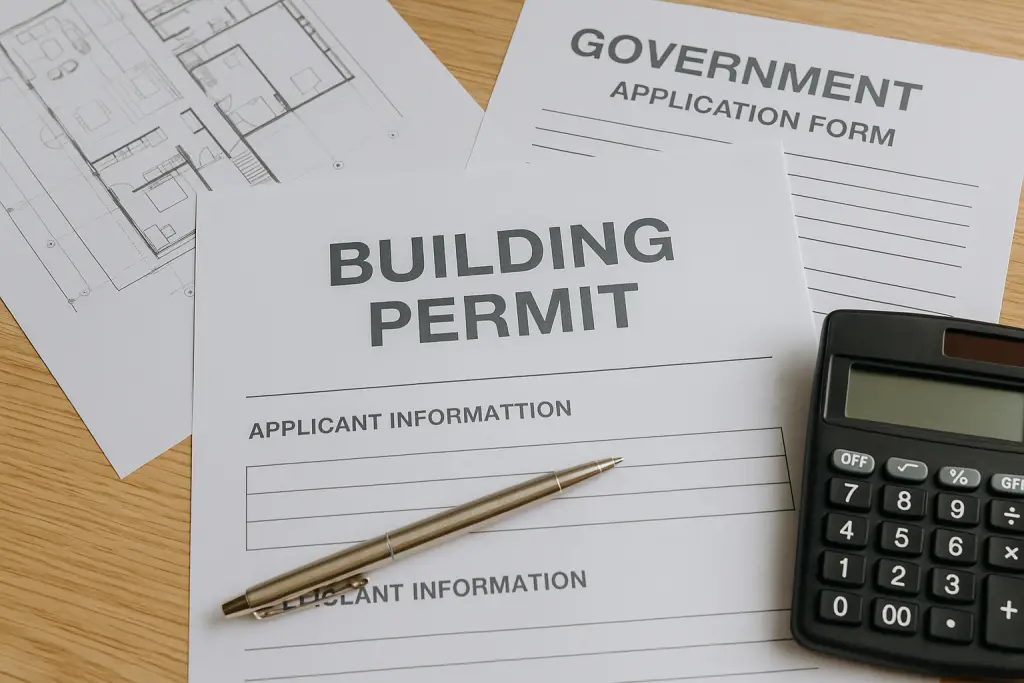
Before construction can legally begin, homeowners must secure the required permits from their local government unit.
In most cases, this includes a building permit, along with other related approvals depending on the project requirements and local regulations.
The timeline for permit approval varies depending on the city or municipality handling the application. Some areas process permits relatively quickly, while others may take longer due to administrative procedures or volume of applications.
For many residential projects, permit processing in the Philippines may take around one to two months.
Because of this, homeowners should avoid scheduling construction too aggressively before permits are secured.
ALSO READ: The Philippine Building Permit Process: Why It Matters and Why It Often Delays Construction
Stage 4: Procurement and Pre-Construction Preparation
Once permits are approved, the project enters the preparation stage before construction begins.
This includes organizing the project team, planning material procurement, preparing the construction site, scheduling manpower, and coordinating the initial stages of work.
Although this stage is not always visible to homeowners, it helps ensure that construction begins smoothly and with proper coordination.
Depending on the project setup, this stage may take a few weeks.
Stage 5: The Construction Phase
This is the stage most people think about when discussing how long it takes to build a house.
For many residential homes in the Philippines, the construction phase typically lasts 8 to 12 months. Larger homes, more complex architectural designs, difficult site conditions, or high-end finishes can extend the construction timeline.
Construction involves many moving parts. At any given time, a project site may involve several trades working simultaneously, material deliveries arriving on schedule, inspections being conducted, and coordination between teams.
Factors that influence construction timelines include:
- the size of the house
- the complexity of the design
- weather conditions
- material availability
- site accessibility
- coordination between trades
- the speed of owner decisions during construction
Because of these variables, construction rarely progresses in a perfectly straight line. The goal is not to eliminate every challenge, but to manage the project in a way that minimizes avoidable delays.
Stage 6: Final Corrections and Turnover
Even after the major construction work is completed, the project usually enters a final stage before the homeowner moves in.
This stage often involves punch listing, inspections, corrections of minor defects, testing of building systems, and final cleaning of the property.
These details ensure the home is fully ready for occupancy.
Depending on the size and complexity of the project, this stage may take several weeks.
Why Some House Construction Projects Take Longer
When delays happen, they often begin long before construction starts.
Some common causes of delays in house construction projects include:
- incomplete or frequently changing plans
- delays in permit processing
- late design decisions from homeowners
- poor coordination between design and construction teams
- material procurement issues
- weather disruptions
- unrealistic expectations about the project timeline
Many of these challenges can be minimized through proper planning and coordination early in the project.
Planning Makes the Biggest Difference
A well-planned project usually progresses more smoothly.
When the design is properly developed, the scope of work is clearly defined, and coordination between the design and construction teams is established early, the construction phase becomes far more manageable.
Building a house is one of the largest investments a family can make. Taking the time to plan carefully at the beginning often leads to fewer problems later in the project.
Final Thoughts
So, how long does it take to build a house in the Philippines?
For most residential projects, the realistic timeline is around 12 to 18 months from the early planning stages to final completion.
While that timeline may seem longer than expected, it reflects the reality of completing a house properly. A well-built home is rarely the result of rushing the process. Instead, it comes from careful planning, coordination, and steady execution.
For homeowners planning to build, the better question may not simply be “How fast can the house be built?” but rather “How well can the project be planned from the beginning?”
If you’re planning to build a home
Understanding the timeline is the first step.
ArkiNovus works with homeowners from the planning stage through design and construction, helping guide the entire process from concept to completion.
If you’re exploring a residential project, starting with a clear timeline can make the journey much smoother.