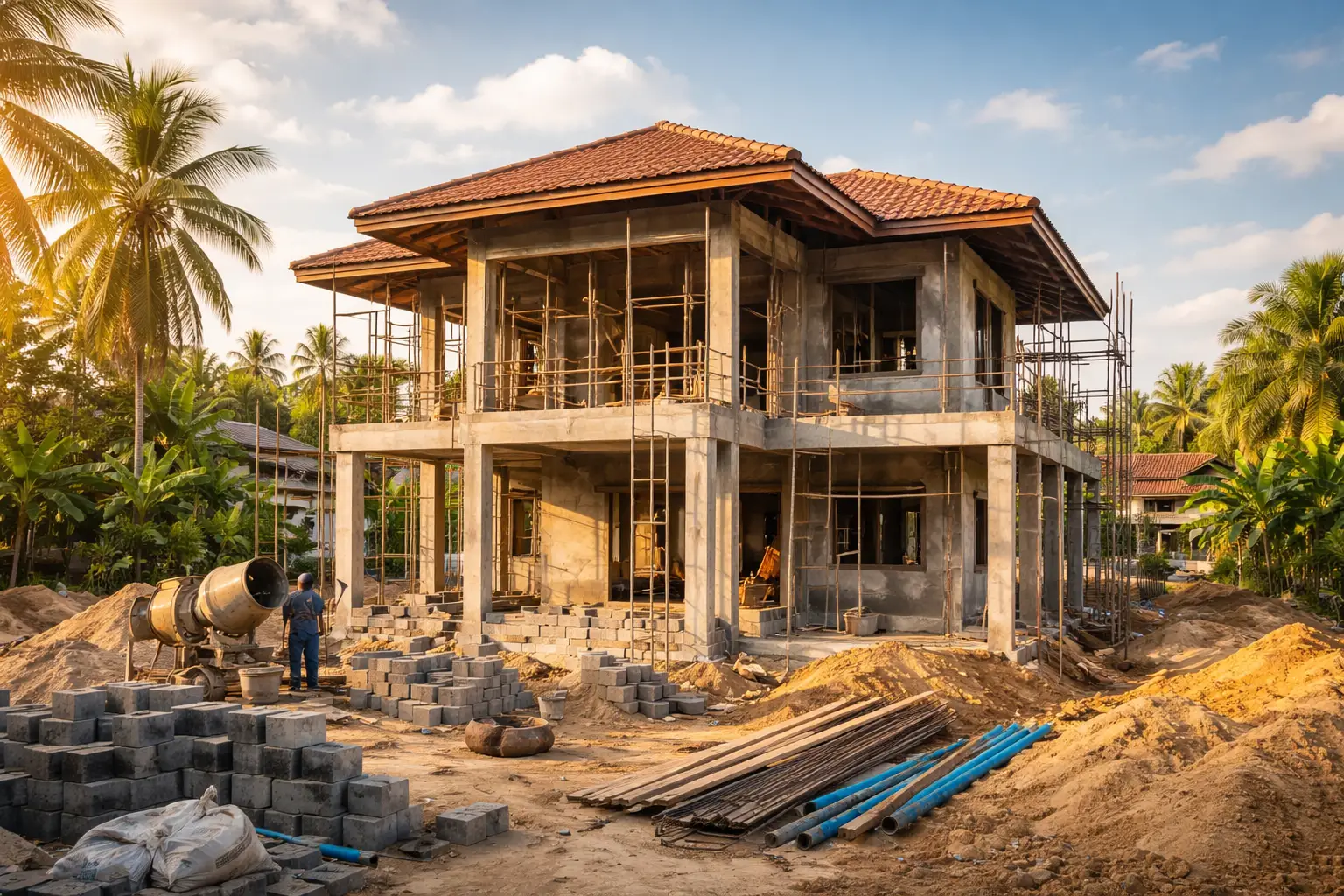
When it comes to building something — whether it’s a home, office, or large-scale facility — one of the first questions clients ask is: “How long will it take?” And while every project is unique, there are recurring factors that influence whether a build stays on track or faces delays.
We believe in managing expectations early. Here’s a quick look at what can shape your construction timeline, for better or worse.
1. Permits and Approvals
Getting all the necessary permits from the LGU or special economic zones (like PEZA) can take time, especially if there are changes in regulations or unexpected documentation issues. In addition, clearances from subdivisions, building administrators, or property managers are often needed before any site work begins. Without these, construction can’t legally proceed.
Pro Tip: Finalize your plans early so your team can secure permits while prep work is ongoing.
2. Design Finalization and Revisions
Revisions during the design phase are normal, but constant back-and-forth or mid-construction changes can push the schedule significantly. Good communication between designers, project managers, and the client is key to keeping the timeline in check.
3. Weather Conditions
In a tropical country like the Philippines, the rainy season (June to November) can slow down site activities, especially for structural or excavation works. However, interior fit-outs are often insulated from weather-related delays since most work is done indoors — a strategic advantage when building offices.
Dry months (December to May) are typically faster for major construction progress.
4. Material Availability
The construction timeline can also hinge on something as simple as lead time. Some materials — like custom glass, imported lighting, or specialty finishes — take weeks or months to arrive. Others might be subject to delivery delays due to traffic, supplier backlogs, or port congestion. Planning ahead and ordering early can help mitigate these challenges. Choosing smart alternatives with shorter lead times can also be a game-changer.
5. Labor and Contractor Scheduling
Quality tradespeople are in high demand, and the local job market reflects that. Skilled workers, from plumbers and electricians to finishers and foremen, are often booked out months in advance. Coordinating their schedules and ensuring they’re available when needed can spell the difference between a smooth timeline and repeated rescheduling.
Pro Tip: Secure your contractors early, especially for specialized scopes of work. Consider working with firms that already have trusted partners on board.
6. Site Conditions
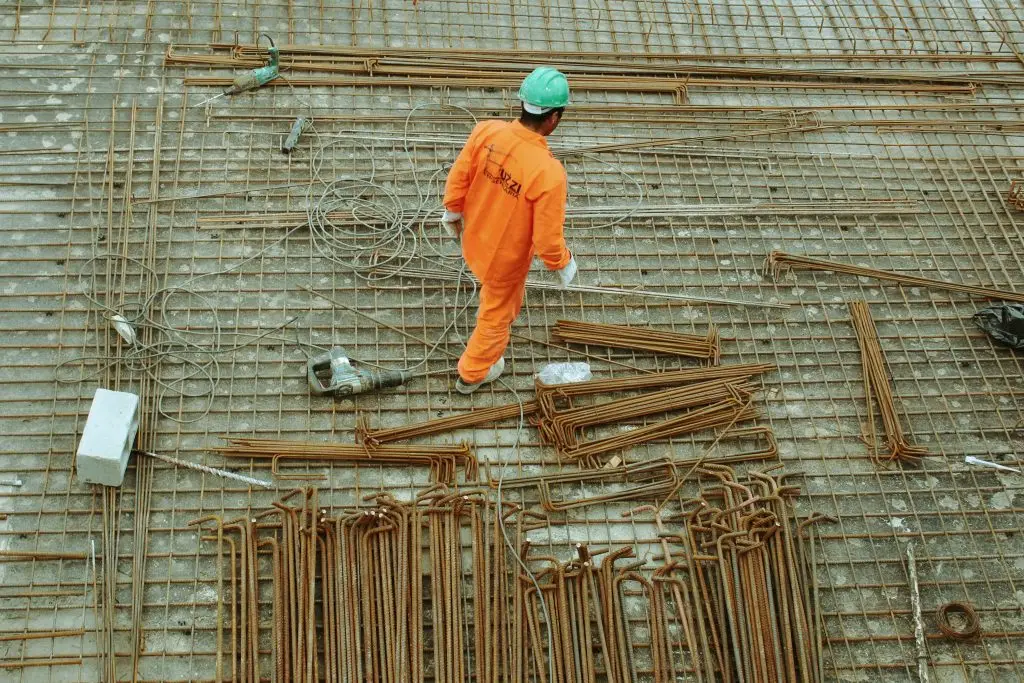
Unexpected issues like poor soil, old foundations, or difficult site access can delay progress. In residential villages, office buildings, or commercial areas, additional rules from the developer, property management, or building administrator can also affect scheduling and daily work hours.
7. Scope and Project Type
The larger or more complex the build, the more time it naturally takes. High-rise construction, industrial facilities, and multi-floor fit-outs have more moving parts than a small residential home. But beyond size, technicality also matters — builds with highly specific mechanical systems, data infrastructure, or green design targets typically take more time to execute.
8. Holidays and Downtime
The month of December is known for its many holidays, and many workers take extended time off to be with their families. This can significantly reduce manpower and slow down activities. National holidays throughout the year can also pause work temporarily.
Pro Tip: While everyone wants to spend the holidays with their loved ones, many contractors remain operational if clients are willing to shoulder a premium to cover holiday pay. Planning for this in advance can help keep your project on track.
9. Safety Issues and Risks
Accidents or near-misses on site — no matter how minor — can cause work stoppages for investigation or compliance purposes. Prioritizing safety not only protects lives but prevents unexpected halts in construction.
10. Decision-Making Bottlenecks
Timely decisions — whether it’s approving shop drawings, choosing materials, or resolving change orders — are crucial to keeping momentum. Delays in feedback or approvals, especially from clients or key decision-makers, can bring progress to a halt.
Pro Tip: Designate a decision-maker or point person who can respond quickly to avoid unnecessary hold-ups.
Every Project Deserves a Realistic Plan
Understanding these factors helps both clients and project teams collaborate better and make informed decisions. Setting a timeline is just the start — knowing what affects it makes all the difference.
If you’re planning to build soon and want a clearer picture of what your timeline could look like, visit us at arkinovus.com or request a Free Personalized Project Schedule.